The time to replace your toilet is when you notice structural faults like cracks in the porcelain, persistent functional failures such as frequent clogging, or financial alarms like an unexplained spike in your water bill. As plumbing experts, we know a toilet is a high-use appliance, not just a simple fixture, and ignoring its distress signals will lead to costly water waste, constant frustration, and potential damage to your bathroom subfloor. Instead of enduring endless repairs, recognizing these five clear signs now allows you to proactively upgrade to a modern, water-efficient model, ensuring long-term reliability and saving you money.
Why Knowing When to Replace a Toilet Important
Knowing when to replace a toilet is critical because an aging unit directly impacts your wallet, health, and daily

convenience. A failing toilet is a silent money-waster: constant running or inefficient flushing can illegally drain hundreds of gallons of water per day, causing unnecessary spikes in your utility bills. Furthermore, minor leaks often create health hazards by damaging your subfloor and encouraging mold growth. Replacing your toilet proactively, before catastrophic failure, restores peace of mind, stops the hidden water waste, and ensures you benefit from modern, powerful, and comfortable fixtures that eliminate the stress of emergency repairs.
Sign 1: Frequent Clogging That Never Improves
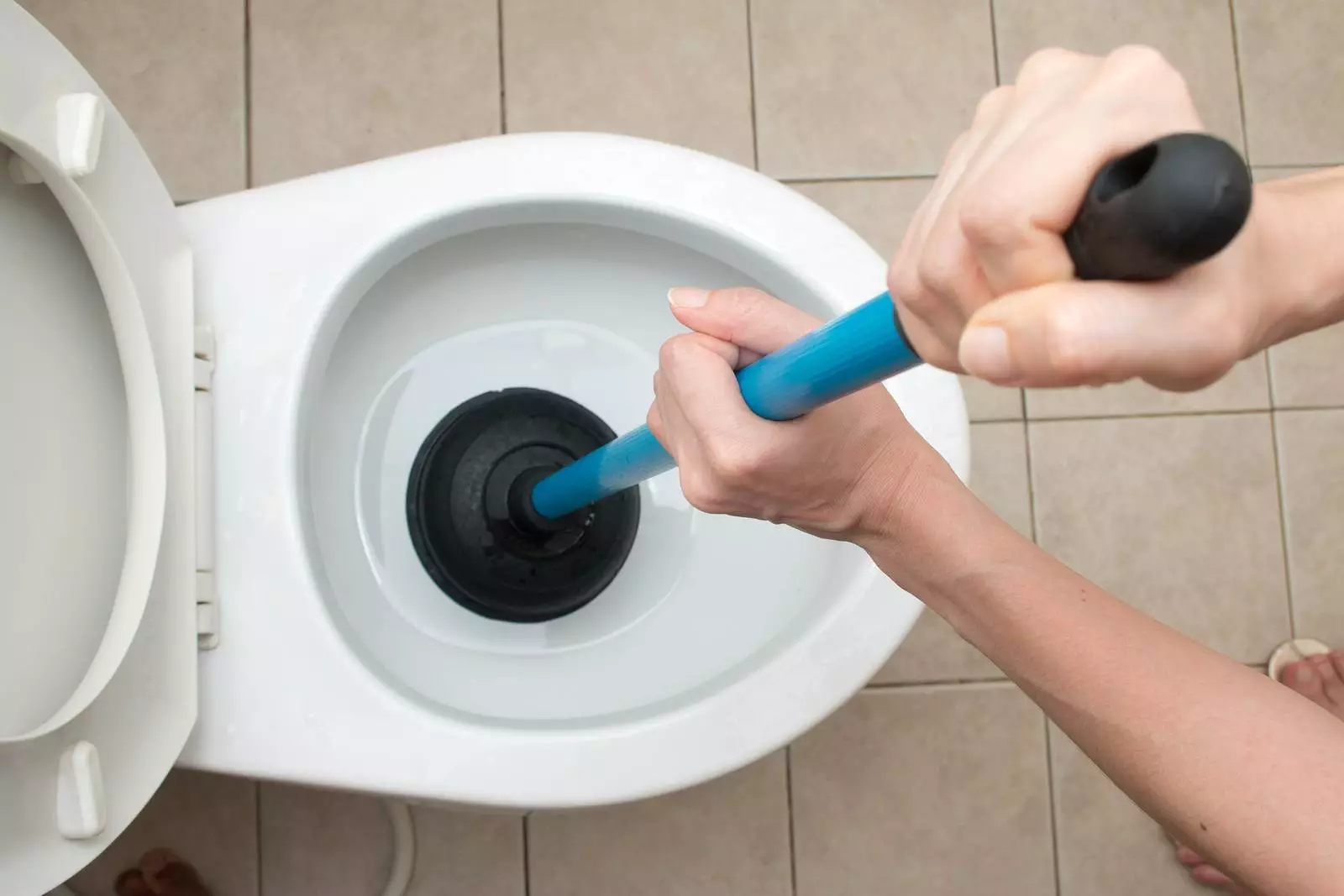
One of the most common questions people search is “Why does my toilet keep clogging?” If you find yourself using a plunger more often than you’d like, it might be a bigger issue than just a one-time blockage.
Older toilets often have weaker flushing power or smaller trapways that can’t handle modern use. While a clog once in a while is normal, weekly or daily clogs suggest that your toilet is simply outdated or worn down.
Instead of wasting time and energy fighting clogs, replacing the toilet gives you a fresh start with stronger flushing technology. Many newer toilets are designed to clear waste more efficiently while using less water, which solves two problems at once.
Sign 2: Cracks in the Porcelain
Toilet bowls and tanks are made of porcelain, which is durable but not indestructible. Small hairline cracks may not leak right away, but they weaken the toilet’s structure. Over time, cracks can expand and lead to water leaking onto the floor.
Even a slow leak can damage flooring, cause mold growth, and waste gallons of water each day. Once cracks appear, repairs usually don’t last. Replacing the toilet is the safest and most reliable choice.
When inspecting your toilet, check around the base, bowl, and tank for any lines or fractures. If you see them, it’s best not to ignore the problem.
Sign 3: Constant Running or Strange Noises
A toilet that runs nonstop or makes gurgling sounds is more than just annoying. It’s a sign that something inside the tank is not working properly. Common causes include worn flappers, faulty fill valves, or mineral buildup.
While some issues can be repaired, repeated problems often signal that the toilet has reached the end of its lifespan. A constantly running toilet can waste hundreds of gallons of water every week, which quickly adds up on your water bill.
If you’ve already tried replacing the parts and the issue keeps coming back, it’s usually smarter to invest in a new toilet instead of pouring more money into temporary fixes.
Sign 4: Rising Water Bills Without a Clear Reason
Homeowners often notice higher utility bills before they realize their toilet is to blame. A small internal leak or inefficient flushing system can send your water usage through the roof.
Older toilets, especially those installed before the 1990s, often use much more water per flush than modern models. Replacing them with today’s efficient designs can cut water use by half or more.
If your water bill seems higher every month and you can’t find another reason, your toilet may be quietly wasting water. Installing a new one not only stops the waste but also saves money over time.
Sign 5: Wobbling, Leaking, or Loose Toilet
A toilet should sit firmly in place. If yours wobbles, shifts, or leaks at the base, it’s a serious warning sign. Sometimes it’s just a loose bolt or worn wax ring, but in many cases, the issue is worse.
Leaks at the base can damage the floor beneath your bathroom, leading to expensive repairs. Constant wobbling can also stress the plumbing connections, creating even more problems.
If tightening bolts or replacing the seal doesn’t solve the issue, replacing the toilet is often the only way to restore stability and safety.
Other Clues That Point Toward Replacement
While the five signs above are the most common, there are other reasons to consider replacing your toilet:
- Age: Toilets generally last 15–25 years. Beyond that, repairs become less reliable.
- Style and comfort: Taller, more modern designs improve comfort, especially for older adults.
- Upgrading for efficiency: High-efficiency toilets save thousands of gallons of water each year.
Even if your toilet still “works,” upgrading can bring benefits that improve your bathroom experience daily.
When to Repair vs. When to Replace: The 50% Rule
Not every toilet issue demands a replacement right away. If you have simple, isolated problems like a loose handle, a faulty chain, or a worn-out flapper, a cheap part from the hardware store can usually fix it easily.
However, the balance shifts when problems become frequent or complex. Our expert rule of thumb is this: If the cost of a single repair exceeds 50% of the price of a brand-new, efficient toilet, you should replace it.
A replacement is the smarter financial move because you eliminate future repair costs and immediately start saving money. A modern toilet often pays for itself in water savings alone within a few years by cutting consumption drastically compared to older models. Stop throwing money at temporary fixes and invest in long-term reliability.
How Long Can You Expect a Toilet to Last?
On average, a toilet fixture itself is built to last between 15 and 25 years. However, its actual lifespan is determined by use, model quality, and maintenance. If your toilet is already over 20 years old, it’s operating near the end of its reliable service life. At this point, even if the porcelain is fine, the internal mechanics are likely inefficient and brittle.
It’s wise to pay close attention to the warning signs now and consider upgrading to a high-efficiency model before minor wear-and-tear turns into a plumbing emergency.
Benefits of Replacing an Old Toilet
Replacing your toilet may not seem exciting, but the benefits are clear:
- Lower water bills: Modern toilets use as little as 1.28 gallons per flush.
- Fewer clogs: Improved flushing power clears waste more effectively.
- Better comfort: Newer styles often have taller, more ergonomic designs.
- Peace of mind: No more worrying about hidden leaks or surprise breakdowns.
These upgrades not only save you money but also make your bathroom a more comfortable and reliable space.
Preparing for a Toilet Replacement
If you’ve noticed one or more of the warning signs, the next step is planning a replacement. Here’s what to consider:
- Choose the right size: Measure the rough-in distance (the space from the wall to the bolts) to ensure a proper fit.
- Pick the right style: Decide between one-piece or two-piece, round or elongated bowl, and standard or comfort height.
- Think about efficiency: Look for toilets labeled with WaterSense certification for maximum water savings.
While some homeowners replace a toilet themselves, many prefer to call a plumber to ensure proper installation. A poor installation can lead to leaks and future repairs, so professional help is often worth it.
Conclusion: Don’t Ignore the Signs
Don’t let a failing toilet turn into a plumbing nightmare. Ignoring the clear symptoms—frequent clogs, hairline cracks, constant running, or a wobbly base—is a gamble that often results in expensive water damage and emergency costs.
By choosing to replace your old unit now, you immediately halt water waste and secure a long-term upgrade. If you notice your toilet is showing signs of distress, the solution is fast and reliable: New Flow Plumbing offers 24/7 service and upfront, honest pricing for replacement. We handle the entire job quickly and professionally, guaranteeing a leak-free, high-efficiency installation. Protect your home, eliminate frustration, and restore your bathroom’s reliability with the help of New Flow Plumbing today.
FAQs