Sewer problems often begin quietly, with subtle signs that many homeowners dismiss as routine plumbing issues. While early symptoms may seem manageable with basic tools or cleaning products, the underlying causes usually involve deeper structural faults, wastewater buildup, or contaminated flow that requires specialized evaluation. These issues can quickly become hazardous if handled without proper training or equipment.
Understanding the risks behind sewer problems is essential for protecting both your home and your health. A structured, professional approach ensures accurate diagnosis, safe repair, and long-term prevention. Attempting to fix sewer issues on your own can cause further damage, expose you to contamination, or worsen existing blockages that disrupt the entire system.
Recognize Early Warning Signs Before They Escalate
Homeowners often notice the first symptoms of sewer problems through common plumbing irregularities. These early signs are easy to overlook but often indicate deeper concerns within the sewer line. Identifying them quickly helps reduce structural damage, contamination risks, and expensive repair costs.
Common early indicators include:
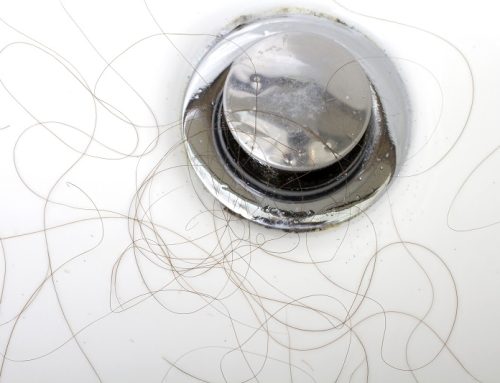
- Slow-draining sinks or tubs that repeatedly clog
- Odd smells coming from drains or plumbing fixtures
- Gurgling noises when toilets flush or sinks drain
These warning signs often point to blockages, pipe deterioration, or developing backflow issues. Once wastewater begins moving in the wrong direction, the entire plumbing system can be compromised. Understanding how sewage can reverse into household pipes provides helpful context, especially when reviewing guides such as our article on backflow concerns.
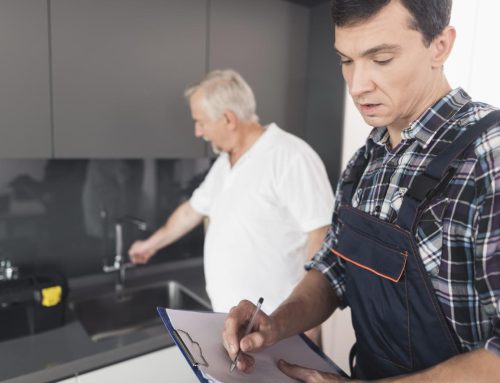
Even if the symptoms appear minor, sewer lines are complex systems that require proper inspection tools. Early intervention prevents major disruptions, but that intervention is safest when done through trained professionals who understand how to diagnose and repair these problems effectively.
The Health Hazards Behind Sewage Exposure
One of the most underestimated dangers of sewer problems is direct contact with contaminated wastewater. Sewage contains bacteria, viruses, and chemical pollutants that pose significant health risks. When sewer lines clog or rupture, wastewater can back up into sinks, tubs, basements, or outdoor soil.
Key health risks include:
- Bacterial infections caused by contact with wastewater
- Mold growth inside walls or floors after water intrusion
- Airborne contaminants affecting indoor air quality
- Skin irritation from contact with contaminated surfaces
Handling sewage without protective gear and disinfecting protocols can expose homeowners to harmful pathogens. Even small leaks can contaminate carpets, drywall, or flooring materials, creating long-term moisture issues that contribute to mold and ongoing air quality problems.
Sewage contamination spreads easily through porous surfaces. What begins as a small backup can quickly escalate into an environment that requires professional cleaning and structural drying. Attempting DIY cleanup often leaves hidden moisture behind, which continues to cause damage long after the visible water is removed.
The Structural Damage Sewer Problems Can Cause
Beyond health concerns, sewer problems can cause serious structural damage to a property. Wastewater does not remain in one place. It spreads through flooring, concrete, crawl spaces, and foundations, weakening essential components of the home.
Structural risks include:
- Foundation cracking due to soil saturation
- Damage to flooring materials, subfloors, and wall cavities
- Erosion of underground pipes that destabilizes soil
- Increased likelihood of sinkholes or shifting ground
These issues often require specialized equipment such as sewer cameras, hydro jetting systems, and soil stabilization tools. Because sewer lines run beneath concrete slabs, lawns, or driveways, diagnosing hidden leaks requires more than surface-level inspection.
Homeowners browsing for more information may also find it useful to review the importance of professional evaluations, especially during major decisions. This insight into sewer inspection guidance highlights how unseen damage can impact long-term home safety.
DIY efforts typically fail to address the full extent of structural risks, leading to repeated backups and progressive deterioration. Ignoring or misjudging the severity of a sewer issue can allow ongoing water flow to erode building materials, weakening the home over time.
Why Sewer Repairs Require Specialized Tools and Expertise
Repairing sewer problems is not as simple as clearing a clogged drain. The root cause may involve pipe collapse, deep blockages, corrosion, shifting soil, or invasive tree roots. Each problem requires a different type of repair method, and using the wrong approach can worsen the damage.
Professional sewer repair teams typically rely on specialized tools such as:
- Sewer cameras that pinpoint blockages in underground lines
- Hydro jetting systems that safely clear large debris
- Pipe locators that track underground line placement
- Trenchless equipment for minimizing excavation
Attempting DIY solutions without proper tools can damage old or brittle pipes. Chemical drain cleaners may temporarily clear the surface blockage, but often corrode pipes from the inside. For main sewer lines, a lack of proper inspection can cause deeper issues to remain undetected, leading to recurring backups and increasing repair costs.
Because sewer lines connect to city systems, improper DIY work may also violate local plumbing codes. Correct repair methods protect the home while ensuring compliance with municipal standards and safe wastewater flow.
The Costly Mistakes Homeowners Make With DIY Sewer Work
While it may seem appealing to attempt a quick fix, DIY methods often create more complications. Sewer systems are interconnected, and misjudging the extent of damage can lead to costly consequences.
Common DIY mistakes include:
- Using drain snakes incorrectly, which can puncture old pipes
- Masking odors temporarily instead of addressing the source
- Misidentifying structural issues as minor clogs
- Allowing contaminants to spread during cleanup
These errors often cause deeper blockages or force water into other parts of the home. What begins as a small inconvenience can turn into a major repair project. Relying on expert evaluation ensures that the problem is accurately diagnosed and treated using safe and effective methods.
A Smarter Approach for Long-Term Protection
For accurate diagnosis, safe repairs, and long-term protection against sewer issues, reach out to New Flow Plumbing. We provide expert support tailored to your home’s needs.