Toilets are among the most heavily used fixtures in any home, yet problems are often misunderstood or minimized. Subtle changes in flushing, sound, or water behavior frequently point to deeper issues that extend beyond the toilet itself. When toilet repair is handled without a full system perspective, small mistakes can quietly escalate into water damage, wasted resources, and repeated service needs.
Professional plumbers approach toilet repair by evaluating how the fixture interacts with supply pressure, drainage flow, and installation conditions. This broader view explains why professional fixes tend to last longer and resolve issues more completely than surface-level adjustments.
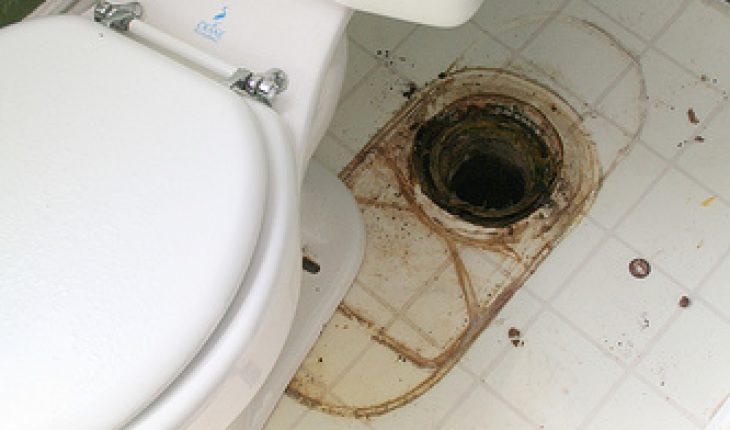
Misidentifying the real source of toilet problems
One of the most common toilet repair mistakes is assuming the problem is confined to the toilet tank or bowl. Toilets depend on stable water pressure, proper drainage, and functional venting. When one of these elements is compromised, the toilet often becomes the first fixture to show symptoms.
- Persistent running caused by pressure fluctuations rather than a worn flapper
- Weak or incomplete flushing linked to partial drain restrictions
- Repeated clogs tied to venting or line slope issues
- Water pooling at the base caused by seal failure or subfloor deterioration
Addressing only the visible symptom often leaves the true cause unresolved. Professional plumbers evaluate supply lines, drain performance, and pressure consistency before making corrections. In some cases, toilet issues reflect larger system problems, such as conditions described in main water line signs, where aging infrastructure affects pressure and fixture reliability throughout the home.
Overcorrecting components and creating new issues
Another frequent mistake during toilet repair is overadjustment. Internal components are engineered to work within specific tolerances. Improper adjustments or mismatched parts can introduce new problems instead of resolving the original issue.
- Overtightening supply connections that causes stress fractures
- Incorrect float height leading to constant refilling or weak flush cycles
- Improper flapper sizing that prevents full tank discharge
- Misaligned fill valves that increase noise and internal wear
Professional repair emphasizes precision rather than force. Components are adjusted according to manufacturer specifications and tested under operating conditions. This controlled approach prevents premature wear and avoids the cycle of repeated repairs caused by improper calibration.
Ignoring sealing and installation errors
Toilets rely on proper sealing and stable installation to operate safely. Errors during installation or reseating often remain hidden until moisture spreads into flooring or structural materials.
- Wax ring misalignment that allows slow, unnoticed leaks
- Uneven mounting that stresses the porcelain base
- Loose flange connections that reduce stability
- Improper bolt tension that leads to cracking over time
Professional plumbers inspect flange condition, subfloor integrity, and mounting alignment before completing toilet repair work. Addressing these factors helps prevent long-term water intrusion. Moisture around toilet bases can also relate to drainage or pressure reversal concerns, which is why understanding backflow plumbing risks is important when diagnosing recurring leaks or unexplained water presence.
Delaying repair when early signs appear
Delaying toilet repair is another common mistake. Intermittent or minor issues often signal developing problems that worsen with continued use. Toilets rarely self-correct, and early inefficiencies tend to escalate.
- Intermittent running that steadily increases water consumption
- Occasional leaks that progress into floor or ceiling damage
- Slow tank refill that strains internal components
- Slight movement at the base that weakens seals and fasteners
Professionals treat early warning signs as opportunities to prevent larger failures. Timely repair reduces stress on connected plumbing systems and helps avoid secondary damage. Toilets often reveal broader system strain before other fixtures, making early evaluation critical to maintaining overall plumbing stability.
How professional repair restores long-term reliability
Professional toilet repair focuses on long-term performance rather than temporary fixes. Plumbers assess how the toilet interacts with supply pressure, drainage flow, and venting, then test repairs under real operating conditions.
- System pressure is evaluated to ensure components operate within safe tolerances
- Drainage flow is checked to confirm waste clears efficiently without restriction
- Venting conditions are reviewed to prevent siphoning and inconsistent flushing
- Component compatibility is verified to avoid premature wear or imbalance
This method reduces repeat service calls. Instead of swapping parts reactively, professionals select components suited to the system and ensure proper installation from the outset. The result is consistent flushing, reduced water waste, and greater confidence in daily operation.
Professional repair also protects the broader plumbing system. Toilets are often the first fixtures to show signs of pressure imbalance, drainage restriction, or backflow vulnerability. Addressing these issues early helps prevent widespread damage and unexpected system failures.
Solving the issue from the inside out
Reliable toilet repair depends on understanding how fixtures connect to the entire plumbing system. For expert evaluation and professional repair support, contact New Flow Plumbing.