Bathroom drains are used daily, often without much thought, until something slows down or stops completely. What begins as a minor inconvenience can gradually turn into a recurring issue that disrupts routine and signals deeper plumbing concerns.
From a professional perspective, bathroom drain clogs rarely happen suddenly. They develop over time through a combination of buildup, usage patterns, and underlying pipe conditions. Understanding these causes helps explain why some drains clog repeatedly and why proper evaluation plays a key role in long-term solutions.
The Most Common Materials Behind Bathroom Drain Clogs
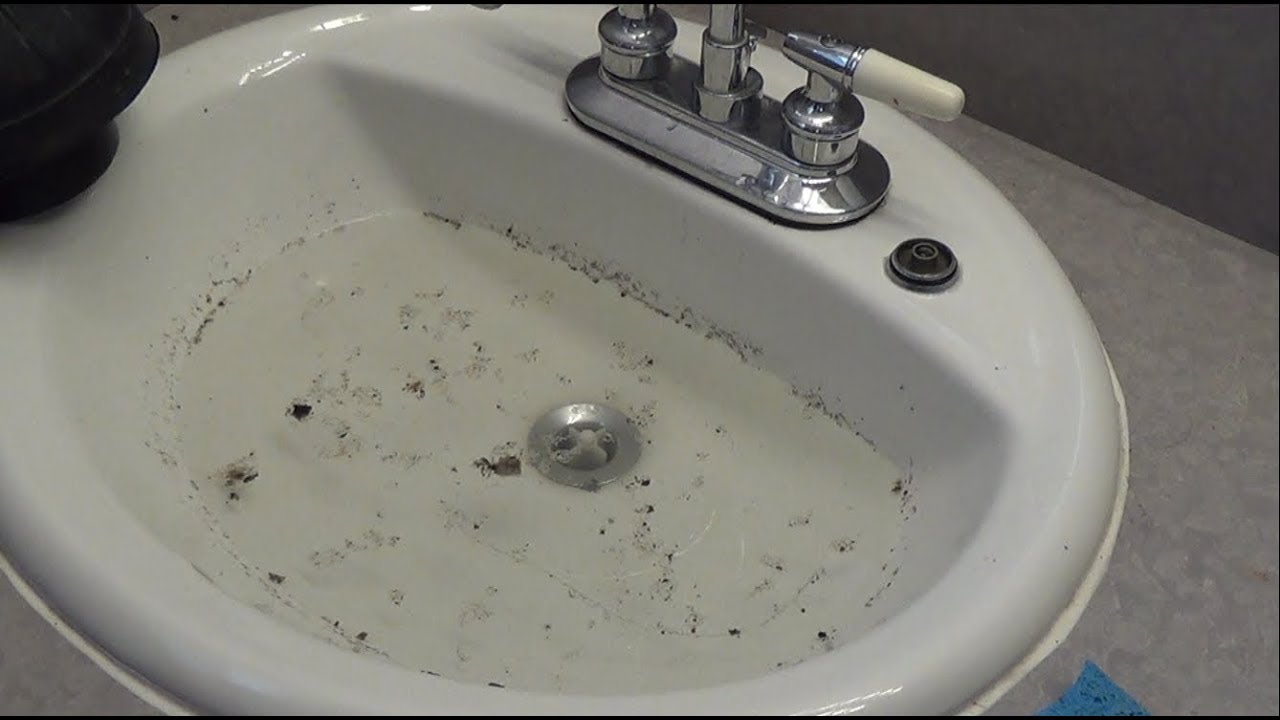
Bathroom drains are exposed to a wide range of materials that do not always flow through pipes as easily as expected. Over time, these materials accumulate and restrict water movement.
- Hair buildup. Strands of hair can bind together and trap other debris, forming dense blockages inside the pipe.
- Soap residue. Soap can leave behind a film that sticks to pipe walls and gradually narrows the passage.
- Toothpaste and grooming products. Thick substances can cling to surfaces and contribute to buildup.
- Dirt and debris. Particles washed off during daily routines can settle and combine with other materials.
These materials do not always cause immediate blockage. Instead, they layer gradually, which is why bathroom drain clogs often appear to worsen over time rather than all at once.
How Pipe Design and Condition Affect Drain Performance
Not all clogs are caused by what goes down the drain. The structure and condition of the plumbing system itself can play a significant role in how well water flows.
Older pipes may have rough interior surfaces that allow debris to catch more easily. Over time, even small amounts of buildup can accumulate faster in these conditions. Pipe alignment also matters. Sections with improper slope can slow water movement, allowing materials to settle instead of flowing through.
As discussed in our resource about early plumbing warning signs, small inefficiencies in a system often go unnoticed until they begin to affect performance. This is why recurring bathroom drain clogs are sometimes linked to underlying structural issues rather than surface-level buildup alone.
Understanding the condition of the pipes provides a clearer picture of why clogs keep returning and what steps are needed to address them effectively.
Habits That Contribute to Recurring Drain Problems
Daily habits can have a greater impact on drain performance than most people realize. Even small, consistent actions can contribute to long-term buildup.
- Allowing hair to enter the drain regularly. Without proper barriers, hair can accumulate quickly.
- Rinsing thick products without sufficient water flow. This can leave residue behind in the pipes.
- Ignoring slow drainage. Early signs of buildup often go unaddressed until they become more severe.
- Using drains for unintended purposes. Disposing of materials not designed for plumbing systems increases the risk of clogs.
These habits are not always obvious. They often develop as part of routine use, making them easy to overlook until problems begin to surface. Addressing them requires a more intentional approach to how drains are used over time.
Why Routine Maintenance Plays a Critical Role
Bathroom drains benefit from consistent care, even when no immediate issues are visible. Preventive maintenance helps manage buildup before it becomes a blockage.
In our blog post on home drain care routine, the importance of regular upkeep is highlighted as a way to reduce unexpected plumbing disruptions.
- Buildup develops gradually. Regular attention helps prevent layers from forming inside pipes.
- Early intervention reduces strain. Addressing minor issues can prevent larger blockages later.
- System performance stays consistent. Well-maintained drains allow water to flow more efficiently.
- Long-term reliability improves. Consistent care helps extend the lifespan of plumbing systems.
Maintenance is not just about keeping drains clear. It is about supporting the overall function of the system so that issues do not develop unnoticed.
When Bathroom Drain Clogs Require Professional Attention
There are situations where recurring clogs indicate something more complex than surface-level buildup. Recognizing these situations can help prevent further complications.
- Frequent clogs in the same drain. Repetition often signals a deeper issue within the pipe.
- Multiple drains affected. This may indicate a larger problem within the plumbing system.
- Persistent slow drainage. Ongoing issues suggest that buildup is not being fully cleared.
- Unusual odors or sounds. These can point to trapped debris or ventilation concerns.
At this stage, professional evaluation becomes essential. Bathroom drain clogs that continue to return often require specialized tools and a deeper understanding of the system to resolve effectively.
Restore Flow With Confidence
Bathroom drains should function smoothly without constant interruption. When clogs become frequent, a more structured approach helps restore consistency and prevent further issues. For reliable solutions to recurring bathroom drain clogs, reach out to New Flow Plumbing.