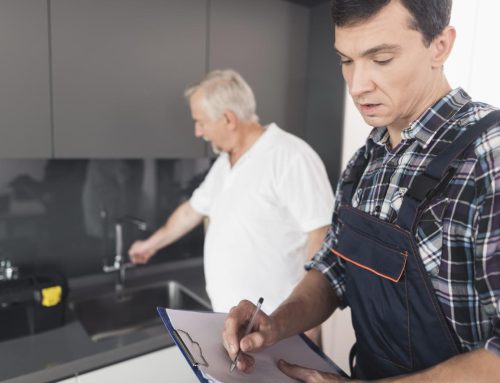
Winter is one of the most demanding seasons for household plumbing. As temperatures drop, pipes contract, water heaters work longer hours, and hidden weaknesses in the system become more vulnerable. A pre-winter plumbing tune-up ensures that every component is inspected, stabilized, and prepared for the colder months ahead. It is a preventive step that protects your home from avoidable damage and unexpected emergencies.
Plumbing issues rarely appear without warning. Minor leaks, slow drains, and aging fixtures typically show early signs long before a major failure occurs. A structured tune-up allows trained professionals to spot these vulnerabilities before the cold amplifies them. This type of preparation supports better system performance, reduces energy costs, and prevents moisture-related problems that tend to surface during winter.
The goal of a plumbing tune-up is not just to check for damage, but to strengthen the entire system. Each inspection point contributes to overall reliability as temperatures continue to fall.

Key Areas Evaluated During a Pre-Winter Tune-Up
A comprehensive plumbing tune-up targets the parts of the system that face the most stress during winter months. Each evaluation step serves a specific purpose, ensuring that small issues do not escalate into costly damage.
Professionals start with the main supply lines. These pipes are prone to freezing in colder regions, especially if they run through uninsulated walls or crawl spaces. Identifying weaknesses early helps prevent fractures and leaks that cause water loss or structural harm.
Water pressure testing is also essential. Excess pressure strains fixtures and joints. When temperatures drop, these stress points become more fragile. Monitoring pressure ensures the system is balanced and safe.
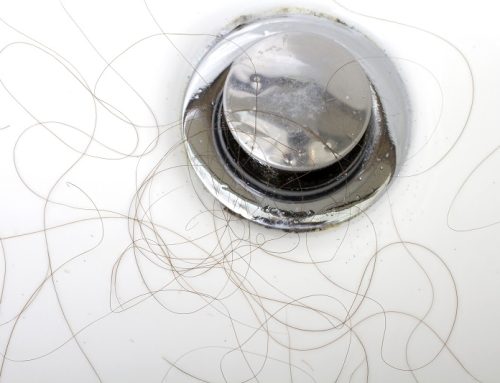
Drainage pathways receive attention as well. Even minor buildup can harden as temperatures fall. Seasonal recommendations often highlight preventive habits similar to those found in our guidance on fall drain care, which stresses cleaning before blockages form.
Beyond these core checks, specialists evaluate outdoor spigots, irrigation lines, and other elements that face extreme temperatures. Each finding plays a role in preparing the plumbing system for winter.
What We Look For When Inspecting Pipes and Fixtures
A pre-winter inspection focuses heavily on pipe condition and fixture reliability. Cold temperatures make existing weaknesses more pronounced, so identifying early signs is crucial.
During a plumbing tune-up, experts watch for:
- Corrosion, rust spots, or mineral buildup that suggest weakening
- Small leaks around joints that indicate pressure or age-related stress
- Visible cracks or worn insulation along exposed pipe sections
These issues may seem minor at first, but winter conditions can accelerate deterioration. Even a tiny leak can freeze, causing the pipe to expand and eventually burst.
Fixtures such as faucets and toilets also receive careful attention. Worn components, loose seals, and internal wear can lead to inefficiency or water waste. When temperatures drop, these issues can worsen quickly, especially in bathrooms located along exterior walls.
Experts also verify that shut-off valves are functioning properly. These valves are essential during emergencies. If a pipe freezes or bursts, a working shut-off valve prevents extensive damage.
Why Water Heaters Need Extra Winter Preparation
Water heaters face significant strain during colder months. As incoming water becomes colder, the system must work harder to maintain stable temperatures. A neglected water heater often shows its first signs of trouble in winter, which is why early preparation is essential.
Key steps include:
- Checking the tank for sediment buildup that reduces efficiency
- Inspecting heating elements or burner components for performance issues
- Verifying that safety valves and thermostats are functioning correctly
Sediment buildup is one of the most common problems found during inspections. When sediment accumulates, the heater uses more energy to deliver warm water, increasing utility costs and creating unnecessary wear.
Another important factor is system age. Older units require more frequent evaluation to ensure they can handle seasonal temperature demands. This aligns with our insights about heater repair timing, which highlight situations when professional assistance becomes necessary.
Proper insulation also supports water heater performance. An expert may recommend insulating pipes and nearby walls to maintain steady output during colder days. These adjustments help reduce stress on the system and extend its lifespan.
Ensuring Strong Drainage Before Temperatures Drop
Good drainage is essential for preventing winter plumbing issues. Slow drains, blockages, and buildup can worsen as colder temperatures slow the breakdown of organic material. A plumbing tune-up includes a full evaluation of how efficiently water moves throughout the home.
Professionals inspect sinks, showers, and floor drains to detect early signs of obstruction. Even partial clogs can contribute to backups during cold weather. Drain traps are also examined for proper sealing, since dry traps allow unpleasant odors to enter the home during winter months when ventilation is limited.
Important drainage issues often include:
- Buildup from grease or soap that hardens as temperatures drop
- Early root intrusion that can worsen under winter soil pressure
- Structural dips in pipes that trap water and freeze
These problems are difficult to resolve without professional equipment. When addressed early, repairs remain localized and cost-effective. Waiting until winter makes the issue more complicated due to frozen materials, slow water flow, and limited access to outdoor components.
Winter often exposes underlying weaknesses in drainage systems. Regular maintenance helps ensure that water moves freely, preventing backups and reducing stress on other plumbing components.
Why a Pre-Winter Tune-Up Helps Prevent Emergencies
Winter plumbing failures are often the result of overlooked problems. A proactive plumbing tune-up identifies these risks early and strengthens the system before temperatures drop further. The cost of preventive work is significantly lower than emergency repairs, especially when pipes burst or water heaters fail unexpectedly.
Professionals use tools and techniques that allow them to identify issues behind walls, within flooring, and in crawl spaces. These zones are difficult for homeowners to inspect without specialized training. Because winter makes plumbing more vulnerable, expert involvement becomes essential for long-term protection.
By investing in early preparation, homeowners reduce the risk of frozen pipes, leaks, water pressure issues, and sudden appliance failures. The tune-up provides peace of mind knowing that the system is ready to handle the challenges of winter.
When Your Plumbing Needs a Winter Head Start
If you want your plumbing system prepared before colder weather arrives, expert evaluation offers the most reliable protection. Contact New Flow Plumbing for a detailed pre-winter tune-up that helps safeguard your home all season long.