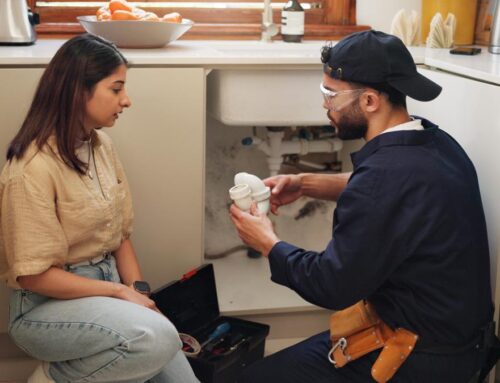
Most homeowners only think about plumbers when something goes wrong. A dripping faucet, a clogged toilet, or a mysterious leak—those are the moments when people rush to call for help. But plumbing is much more than fixing a leak or unclogging a drain. Plumbers do important, often unnoticed work that keeps homes safe, clean, and functional. From complex piping systems to dangerous working conditions, the world of plumbing is full of surprising facts. In this article, you’ll discover the untold truth about what plumbers do, why their job is more dangerous than it looks, and how their skills save you more money than you think.
Plumbing Is Not Just Fixing Leaks
When people imagine what plumbers do, they often picture someone with a wrench under the kitchen sink. But modern plumbers do far more. They install gas lines, set up new water systems, repair broken sewer lines, and even install high-efficiency appliances that save water and energy. Plumbing involves understanding blueprints, local building codes, and complex system layouts. From new constructions to remodeling projects, plumbers play a huge role in keeping homes running smoothly.
The Hidden Dangers of Plumbing Jobs
Plumbing may not seem risky at first glance, but it can be quite dangerous. Here are some of the common hazards plumbers face every day:
-
High Water Pressure: Pipes can explode if not handled correctly, spraying water with pressure up to 100 psi (pounds per square inch).
-
Toxic Exposure: Plumbers work with chemicals, mold, and bacteria, often in dark, confined spaces.
-
Heavy Equipment: Tools like pipe cutters, drills, and snakes can cause injuries if not used carefully.
-
Sewage and Contaminants: Raw sewage contains harmful pathogens that can pose serious health risks.
So the next time you see a plumber at work, remember they’re not just turning a wrench—they’re risking injury to fix your problems.
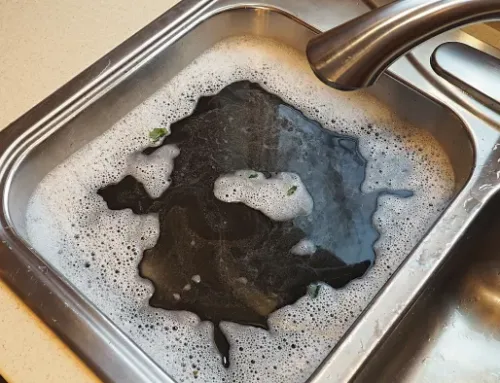
Why Kitchen Drains Are Dirtier Than Toilets
Most people assume the bathroom is the dirtiest part of a plumber’s job. But you might be surprised to learn that kitchen plumbing is often worse. Here’s why:
-
Grease Buildup: Leftover oils and fats from cooking harden in your pipes and trap other food particles.
-
Rotting Food: As food decomposes, it produces foul smells and becomes a magnet for bacteria.
-
Dish Soap & Chemicals: Many cleaning products combine with food waste to create a slimy mess that sticks to your pipes.
Plumbers consistently rank kitchen drains as the most unpleasant part of their work. Keeping these drains clean can prevent expensive repairs—and gross smells.
What You Should Never Flush or Pour Down the Drain
There are a lot of things people think are okay to flush or rinse away. But many of them can cause serious clogs and damage to your plumbing. Here’s what to avoid:
-
“Flushable” Wipes: Despite the label, they don’t break down like toilet paper.
-
Feminine Hygiene Products: Tampons and pads swell with water and clog pipes.
-
Cotton Swabs and Balls: These can bunch up and create solid blockages.
-
Grease and Cooking Oil: These cool down and harden in your pipes, trapping debris.
Just because it goes down the drain doesn’t mean it’s gone. Plumbers see the aftermath of these bad habits every day.
The Training Behind the Toolbox
Being a plumber is not a job you can just jump into. It takes years of training, certification, and hands-on experience. Here’s what most plumbers go through before they ever step foot in your home:
-
Apprenticeship (2–5 Years): New plumbers learn under experienced mentors while attending technical school.
-
Licensing Exams: Plumbers must pass state-mandated tests covering safety codes, systems design, and math.
-
Ongoing Education: Plumbing technology changes—so plumbers continue learning about new materials and methods.
This training helps them fix problems quickly, safely, and correctly the first time.
Plumbers Solve More Than You Think
When a pipe bursts or a toilet overflows, it’s easy to see the value of a plumber. But they solve a lot more than emergencies. Here are some lesser-known ways plumbers protect your home:
-
Leak Detection: They can find small leaks behind walls that would otherwise cause mold or structural damage.
-
Water Pressure Regulation: Plumbers fix low or high pressure that can ruin appliances and pipes.
-
Gas Line Services: Not just water—plumbers safely install and repair gas lines for stoves and heaters.
-
Backflow Prevention: They stop dirty water from contaminating your clean supply.
These services aren’t just helpful—they can prevent serious damage and health risks.
Waiting Too Long Can Cost You More
One of the biggest mistakes homeowners make is ignoring small plumbing issues. A slow drip or gurgling drain might not seem urgent, but these problems grow fast:
-
Small Leaks = Big Water Bills: Just one leaky faucet can waste over 3,000 gallons per year.
-
Clogs Turn Into Backups: Slow drains can turn into full-blown backups if not cleared in time.
-
Water Damage Gets Expensive: A burst pipe can ruin floors, furniture, and even your home’s foundation.
By calling a plumber early, you can often avoid bigger and more costly repairs later on.
Every Plumbing Job Is Unique
No two homes are exactly alike, and no two plumbing issues are either. Plumbers deal with new surprises every day:
-
Tree Roots in Sewer Lines
-
Frozen Pipes in Winter
-
Old Lead Pipes in Historic Homes
-
Leaking Appliances in Newly Built Houses
This variety keeps plumbers on their toes. It also means experience and creativity are just as important as technical skill. A good plumber doesn’t just fix the issue—they figure out why it happened and how to prevent it in the future.
How Plumbing Affects Your Health and Safety
Your plumbing system does more than just carry water. It helps keep your home safe and healthy:
-
Clean Drinking Water: Plumbers ensure water lines are safe, free of lead, and properly filtered.
-
Waste Removal: Efficient drainage prevents exposure to waste and harmful bacteria.
-
Hot Water Access: Properly installed water heaters provide reliable, safe hot water.
-
Gas Leak Prevention: Plumbers also handle natural gas systems to prevent dangerous leaks or explosions.
Without working plumbing, basic hygiene and health quickly become problems. That’s why even small issues shouldn’t be ignored.
Tips to Keep Your Plumbing System in Shape
Want to avoid emergency calls to the plumber? Use these practical tips to keep your system running well:
-
Use Drain Screens: Catch hair and food scraps before they enter the pipes.
-
Don’t Ignore Slow Drains: These are early signs of a clog.
-
Limit Grease Disposal: Wipe pans with a paper towel instead of rinsing in the sink.
-
Test for Leaks: Watch your water meter after all faucets are turned off—if it moves, you leak.
-
Schedule Annual Plumbing Inspections: Catch small issues before they turn into disasters.
Taking care of your plumbing saves money, prevents damage, and keeps your home safe.
Final Thoughts
Plumbers are more than emergency responders—they’re trained professionals who play a crucial role in keeping your home healthy, safe, and comfortable. From avoiding costly mistakes to improving your quality of life, understanding what plumbers really do helps you make smarter decisions about your home. The next time you turn on a tap or flush a toilet, remember that a skilled plumber made that comfort possible.
If you want a plumbing system that lasts, it starts with respecting the work plumbers do—and using their knowledge before disaster strikes.
FAQs