Winter places unique stress on residential plumbing systems. Cold temperatures, ground movement, and prolonged use of heating systems all affect how water pipes perform. As winter ends, many plumbing issues remain hidden until pressure changes or regular water usage resumes. From an expert perspective, post-winter pipe checks are not about reacting to obvious leaks. They focus on identifying subtle damage early, before it develops into major failures.
Water pipes expand and contract with temperature shifts. Even if freezing did not cause immediate breaks, stress fractures, weakened joints, and compromised fittings may still be present. These issues often surface weeks later when water demand increases. Post-winter attention helps maintain system integrity and reduces the risk of sudden disruptions.
Why Winter Takes a Toll on Plumbing Systems
Cold weather affects plumbing systems in ways that are not always visible. Pipes located in exterior walls, crawl spaces, garages, and under slabs are especially vulnerable to seasonal stress.
- Thermal expansion and contraction that weakens joints and fittings
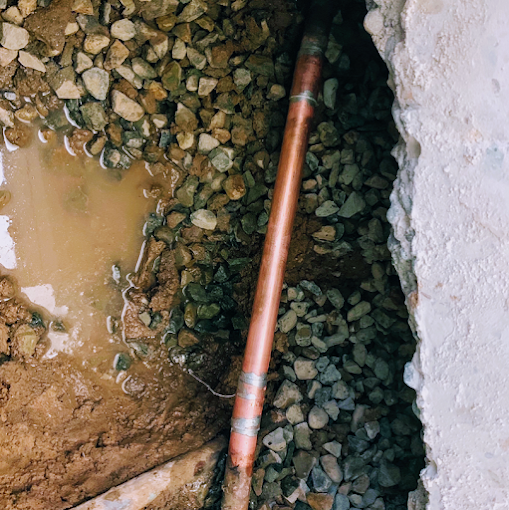
- Ground shifting that places pressure on underground lines
- Increased water demand from heaters and fixtures during winter months
- Reduced airflow in enclosed areas that traps cold air around pipes
These conditions can create microfractures or loosen connections without causing immediate leaks. Once temperatures rise, these weak points may begin to fail. Understanding how winter impacts water pipes helps explain why post-season evaluation is important, even when no obvious issues occurred during colder months.
Early Warning Signs To Watch For After Winter
Many plumbing problems develop quietly. Professionals look for early indicators that signal stress or damage within the system.
- Fluctuating water pressure at faucets or showers
- Discolored water that appears briefly after turning taps on
- Unusual sounds such as knocking or vibration within walls
- Damp spots or musty odors near floors, cabinets, or walls
These signs do not always indicate an emergency, but they suggest conditions that warrant further evaluation. Ignoring early symptoms often leads to larger issues later. A professional plumber understands how these signals relate to internal pipe conditions and can determine whether monitoring or corrective action is needed.
Key Areas That Deserve Post-Winter Attention
Certain areas of the home experience more winter-related stress than others. Focused inspection of these zones helps identify problems before they spread.
- Exterior wall plumbing where insulation may have shifted
- Crawl spaces and basements exposed to cold air and moisture
- Attics and garages that experience temperature swings
- Older pipe materials that respond poorly to repeated expansion
Post-winter checks often reveal insulation gaps, minor leaks, or corrosion that were not present before colder weather. Reviewing winter-specific maintenance practices can provide useful context. This overview on cold season upkeep explains how winter preparation influences post season outcomes and what professionals look for as conditions change.
Why Pipe Material Matters After Winter
Not all water pipes respond to winter stress in the same way. Pipe material plays a major role in determining long-term durability and risk.
Older systems or specialty materials may show delayed failure after cold weather. Certain pipe types are more prone to cracking, internal delamination, or joint separation under stress. Understanding material-specific risks is essential when evaluating post-winter performance.
For example, some legacy piping systems may appear intact but deteriorate internally over time. This discussion on pipe replacement risks outlines how material-related issues can worsen quietly and why proactive assessment helps prevent sudden failures.
A professional plumber considers pipe age, material, installation method, and exposure conditions together. This comprehensive approach ensures that recommendations are based on actual risk rather than surface appearance alone.
How Professional Evaluation Prevents Costly Repairs
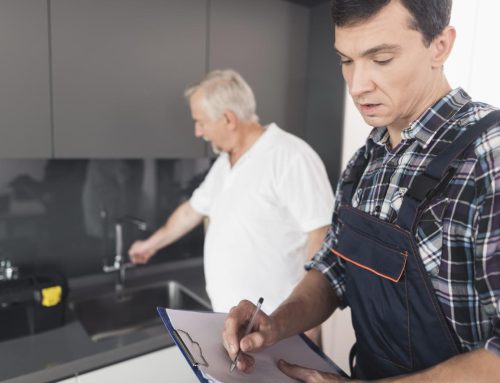
Post-winter pipe evaluation is most effective when guided by professional experience. A professional plumber brings diagnostic tools, system knowledge, and pattern recognition that go beyond visual inspection.
Professionals assess pressure consistency, joint stability, and moisture indicators throughout the system. They also review how seasonal use patterns may have affected performance. This allows potential problems to be addressed early, when repairs are less invasive and more cost-effective.
Professional evaluation also supports long-term planning. Identifying vulnerable sections of water pipes allows homeowners to schedule upgrades or repairs on a manageable timeline rather than facing emergency situations. Over time, this approach reduces overall maintenance costs and improves system reliability.
Plumbing systems do not fail all at once. They weaken gradually. Post-winter attention helps interrupt this process by reinforcing system integrity before peak usage seasons begin.
Set The Stage For A Smooth Season Ahead
As temperatures rise, now is the ideal time to assess how winter affected your plumbing system. Contact New Flow Plumbing to schedule a professional review of your water pipes and ensure reliable performance throughout the year.