If you want to avoid clogs, bad smells, and costly plumbing repairs, you need to know what should never go down your drains. Items like grease, food scraps, wipes, coffee grounds, and hair can harden, tangle, or stick inside your pipes, leading to slow drainage and backups. Keeping these out helps protect your plumbing system, save money on repairs, and keep your kitchen and bathroom running smoothly.
Drains are something we rarely think about until there’s a problem. Whether it’s a slow sink, foul odor, or full backup, the issue often comes from what’s been slipping down over time. In this guide, we’ll cover the 10 most common things people send down their drains and explain why that’s a big mistake, plus simple tips to keep your plumbing clean and healthy.
1.Cooking Oil Grease and Fats
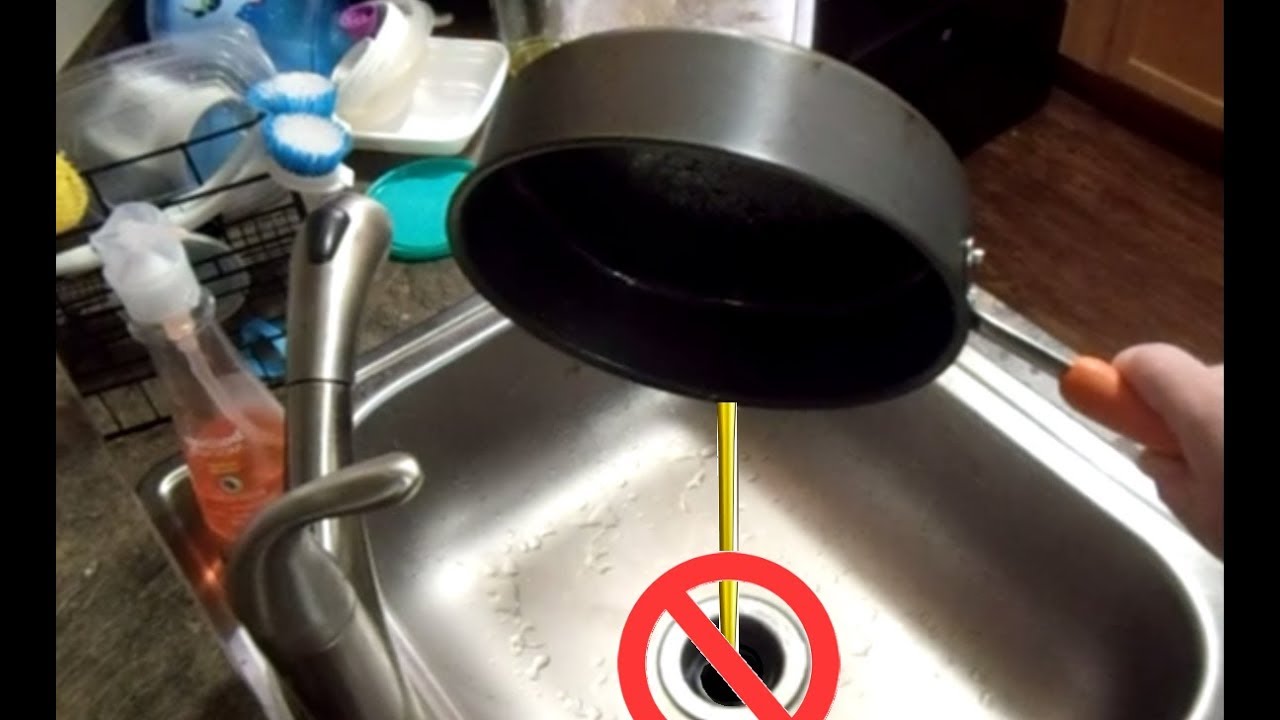
One of the most common causes of kitchen drain clogs is cooking oil or grease. After cooking, it might seem easy to just rinse leftover oil or bacon grease down the drain with hot water. But what seems harmless in liquid form quickly turns into a sticky, thick sludge once it cools.
Grease hardens inside the pipes and catches other debris like food particles and soap scum. Over time, this build-up narrows your pipes and causes slow drainage or even full blockages.
Why It Matters:
- Grease buildup is hard to remove without professional help.
- It contributes to sewer overflows and pipe damage.
- It can lead to strong foul odors in your kitchen sink.
What to Do Instead:
- Pour grease into a jar or empty can, let it solidify, and throw it in the trash.
- Wipe pans with paper towels before rinsing them..
2. Leftover Food Scrapers
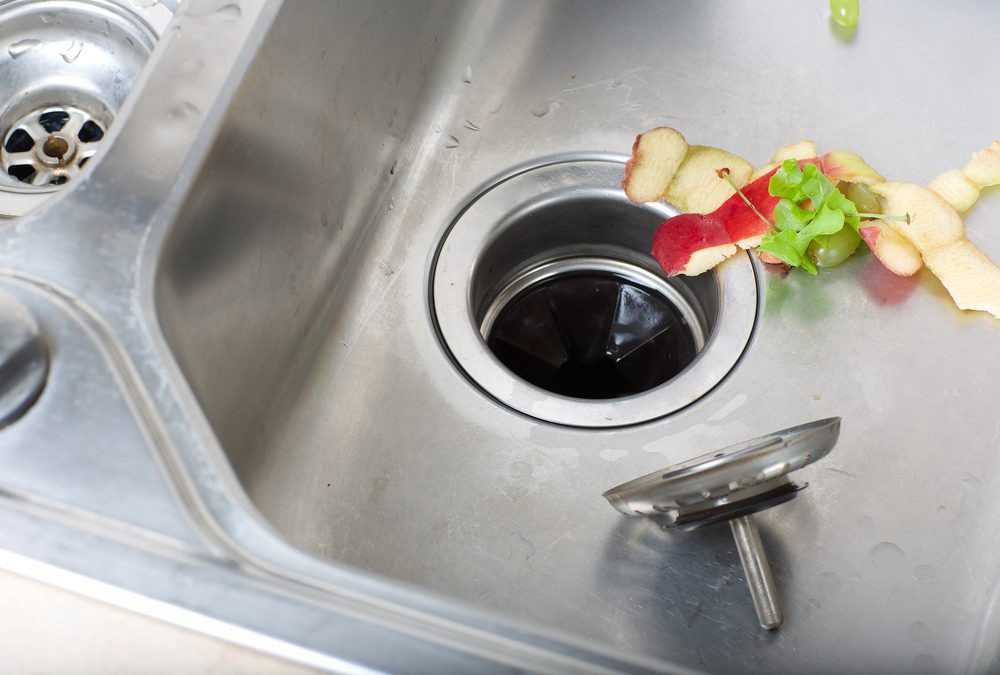
Whether it’s a few grains of rice or a chunk of leftover vegetables, food should never go down the drain unless you have a well-functioning garbage disposal—and even then, caution is key. Many foods expand with water, become sticky, or break into fibers that clog pipes.
Starchy foods like pasta, rice, or potatoes swell up and become gummy in water. Fibrous vegetables like celery or corn husks tangle up and block pipes. Even tiny scraps can collect and combine into clogs over time.
Why It Matters:
- Clogged kitchen sinks are often caused by accumulated food waste.
- Food attracts pests like drain flies and cockroaches.
- Decomposing scraps can cause sour smells and pipe corrosion.
What to Do Instead:
- Scrape all food into the trash or compost bin before rinsing dishes.
- Use a drain strainer to catch particles.
3.Baby Wipes and Wet Wipes
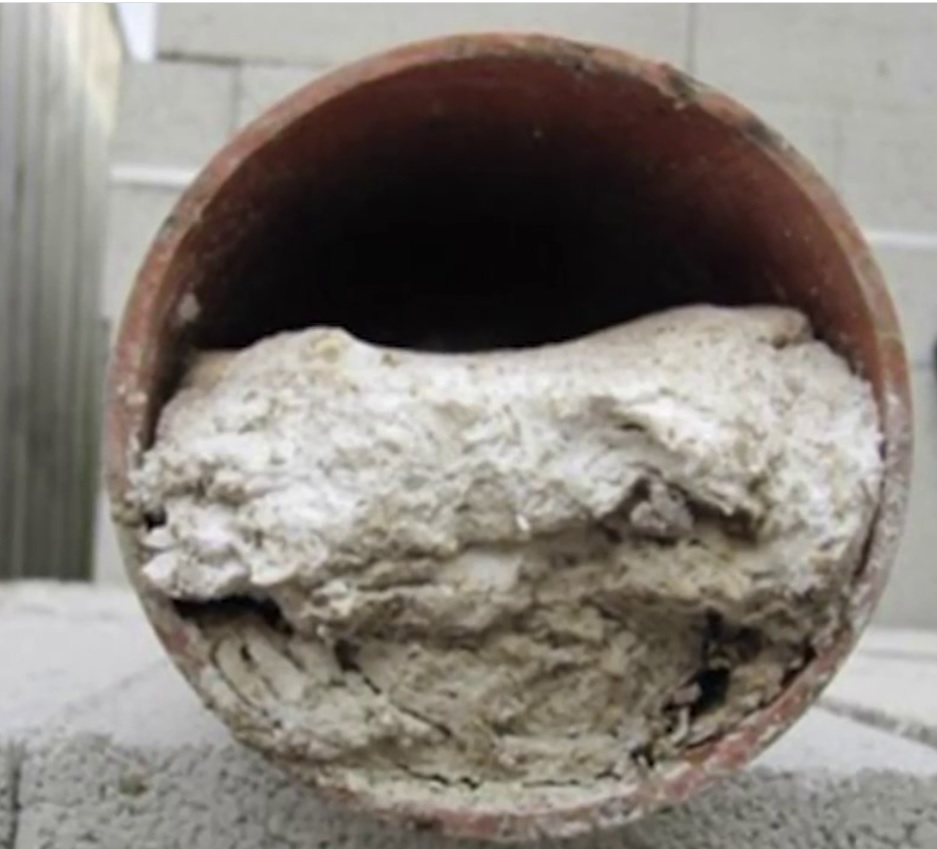
Even if the package says “flushable,” baby wipes and cleaning wipes should never go down the drain or toilet. These wipes are made from durable synthetic materials that don’t break down like toilet paper. Instead, they snag on pipe walls and combine with grease and other materials to form solid clogs known as “fatbergs.”
Why It Matters:
- Wipes are one of the top causes of sewer line backups.
- They don’t dissolve in water, even after days or weeks.
- They can damage septic systems and municipal water treatment plants.
What to Do Instead:
- Always throw used wipes into the trash.
- Use toilet paper if you need a flushable option.
4.Coffee Grounds
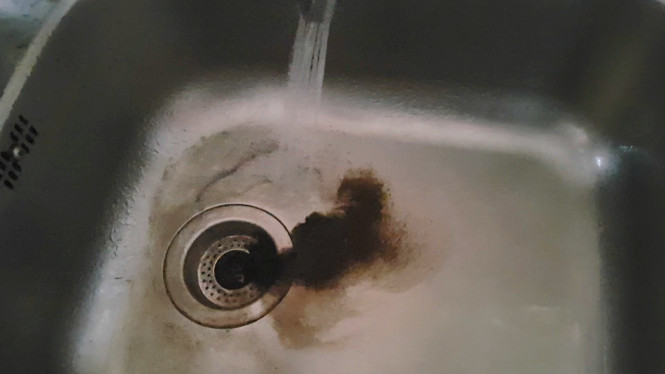
It’s a daily habit for many people—make coffee, then rinse the grounds down the sink. But coffee grounds don’t break down in water. They clump together and form a dense, sludgy material that can clog up sink traps and pipes, especially when mixed with grease or soap residue.
Why It Matters:
- Grounds can settle in the bottom of the pipe and harden.
- They reduce water flow and trap other materials.
- You may not notice the problem until it becomes a full blockage.
What to Do Instead:
- Toss coffee grounds in the trash or use them in your garden compost.
- Mix them with baking soda for a natural deodorizer in the garbage can.
5. Paper Towels and Napkins
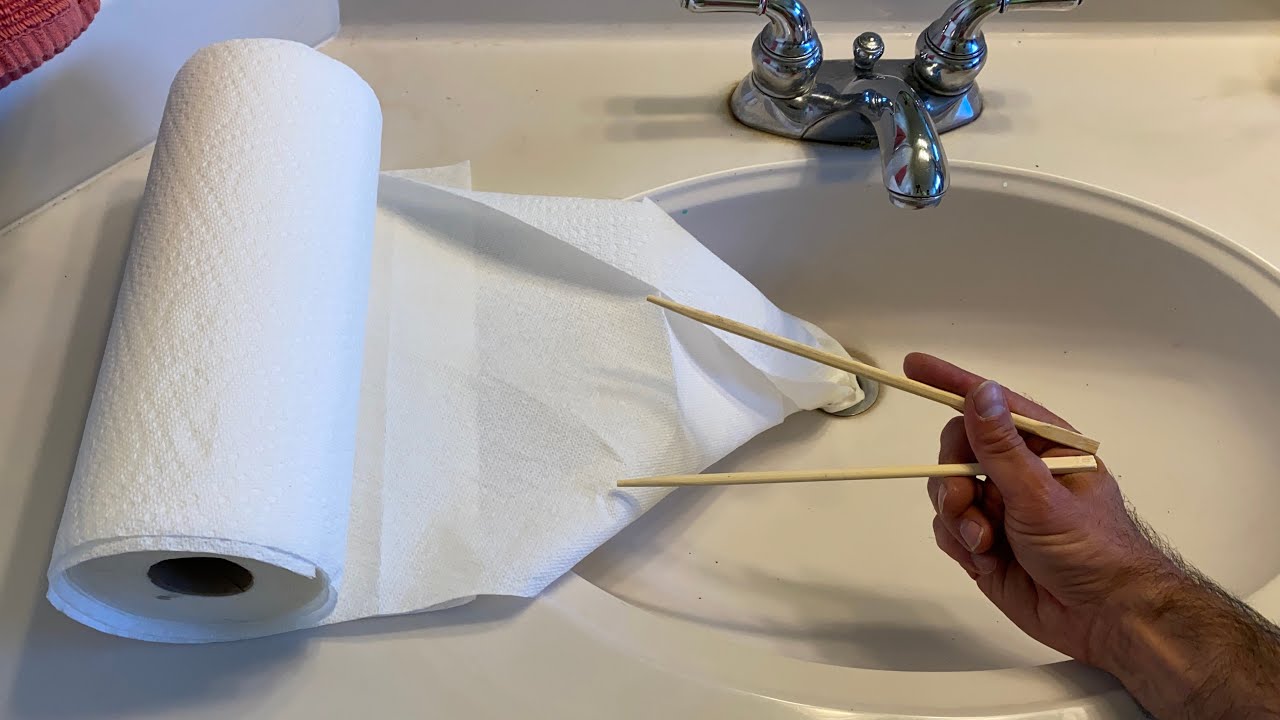
Paper towels may look like toilet paper, but they’re not designed to break down in water. They’re made to stay strong when wet, which is why they clog drains easily. Throwing them in the sink or flushing them down the toilet is a quick way to cause a backup.
Learn More: drain cleaning granite bay
Why It Matters:
- Paper towels expand and absorb water, forming bulky clogs.
- They block not just household drains, but main sewer lines too.
- Removing them may require pipe snaking or hydro jetting.
What to Do Instead:
- Dispose of used paper towels in the trash.
- Switch to washable cloths or rags when possible.
6.Hair
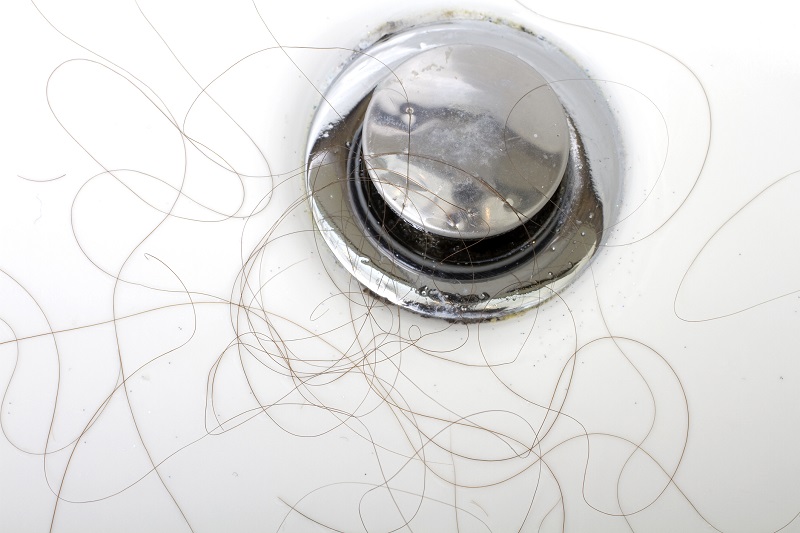
Hair is one of the most common causes of bathroom drain clogs, especially in showers and sinks. As strands wash down the drain, they bind together and stick to soap scum and toothpaste, forming massive clumps.
These clumps don’t dissolve and can be nearly impossible to remove without a snake or professional drain cleaning.
Why It Matters:
- Hair traps water and causes slow-draining sinks and tubs.
- It creates the perfect environment for mold and bacteria.
- Over time, hair clogs can damage plumbing pipes.
What to Do Instead:
- Use a hair catcher or drain screen in sinks and tubs.
- Clean out visible hair after every shower or grooming session.
7. Toothpaste & Soap
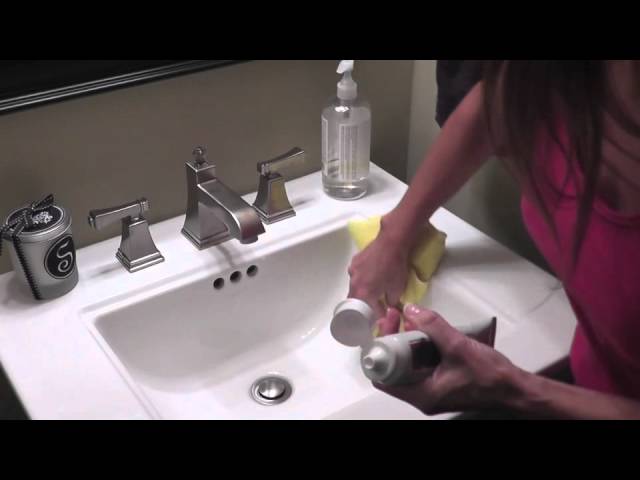
You probably use soap and toothpaste every day, but over time, they can do real damage to your drains. Bar soap, especially scented or moisturizing types, leaves behind a sticky residue that binds with hair and dirt.
You may try: emergency plumber Rosmont
Toothpaste is also sticky and can coat the inside of your drainpipes. When combined with hair, floss, and dead skin, this gunk becomes a solid clog.
Why It Matters:
- Soap scum narrows pipes and traps other debris.
- It leads to gurgling sounds and water backup in sinks.
- Sticky toothpaste residue slows water flow.
What to Do Instead:
- Switch to liquid soap when possible.
- Rinse the sink thoroughly with hot water after brushing your teeth.
8. Cigarette Butts
Tossing cigarette butts into the toilet or bathroom sink might seem like an easy way to get rid of them, but it’s a major mistake. The filters are made of plastic-like fibers that don’t dissolve in water. Worse, cigarette butts contain chemicals like nicotine, arsenic, and heavy metals that can leach into the water supply.
Why It Matters:
- Filters can clog pipes, especially if they combine with hair or soap.
- Chemicals from cigarettes pollute wastewater systems.
- Butts in pipes increase your risk of costly plumbing repairs.
What to Do Instead:
- Use an ashtray or trash can for disposal.
- Consider a small metal can with a lid to contain odors.

9. Eggshells
Many people assume eggshells are harmless in a garbage disposal, but they actually pose a hidden threat. The thin shell fragments don’t grind up completely. Instead, they mix with grease and coffee grounds to form stubborn sludge.
The eggshell membrane is stringy and can wrap around disposal blades or drain traps.
Why It Matters:
- Eggshell particles collect in U-bends and slow down drainage.
- The membrane layer can cause mechanical damage.
- Over time, they contribute to serious clogs.
What to Do Instead:
- Throw eggshells in the compost bin.
- Use them to fertilize your garden soil.

10 Medications and Chemicals
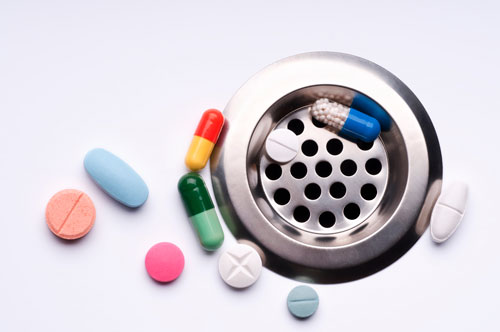
Pouring old pills or expired medication down the sink or toilet doesn’t just risk clogs—it’s a health and environmental hazard. Most medicines don’t break down easily in water, and wastewater treatment plants aren’t equipped to remove pharmaceutical chemicals.
Bleach, paint, solvents, and cleaning agents are also harmful. They can corrode pipes and create dangerous fumes.
Why It Matters:
- Medicines in water can harm aquatic life and contaminate drinking supplies.
- Harsh chemicals corrode plumbing and septic systems.
- Pouring drugs down the drain is illegal in many places.
What to Do Instead:
- Bring medications to a pharmacy take-back program.
- Dispose of chemicals at hazardous waste collection sites.
Final Thoughts:
Protect Your Plumbing and Save Money
Keeping your drains clear isn’t just about avoiding inconvenience—it’s about protecting your home’s plumbing system, preventing costly repairs, and being a responsible part of your community.
By avoiding these 10 common drain-clogging culprits, you’ll reduce the risk of plumbing issues, unpleasant odors, and water damage. Most importantly, you’ll have peace of mind knowing you’re treating your pipes—and your wallet—with care.
If you’re dealing with recurring clogs or slow drains, take a moment to consider your daily habits. A few small changes can make a big difference.
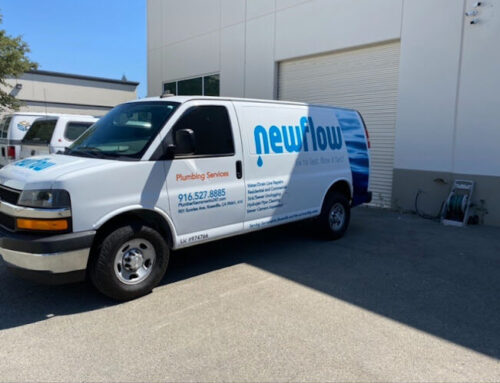
New Flow Plumbing can assist in unclogging a drain or repairing a trash disposal. With decades of knowledge and a 100% customer satisfaction guarantee, you can count on us to clear your drains. Call us now!
FAQs