When a drain slows down or becomes fully clogged, many homeowners reach for store-bought drain cleaners as a quick solution. These products promise fast results, low cost, and easy use, making them a natural first step for handling blockages. But while DIY drain cleaners may offer temporary relief, they can also create risks for both the plumbing system and the people using them. Understanding how these cleaners work, what their limitations are, and how they compare to professional drain cleaning can help homeowners make safer decisions when plumbing issues arise.

Why DIY Drain Cleaners Often Fall Short
DIY drain cleaners usually rely on harsh chemicals designed to break down organic buildup. While they may appear to work at first, they are not effective for all clog types and can create additional problems that homeowners do not expect.
DIY cleaners typically struggle with clogs caused by:
- Grease buildup that hardens deep within the line
- Foreign objects lodged in the pipe
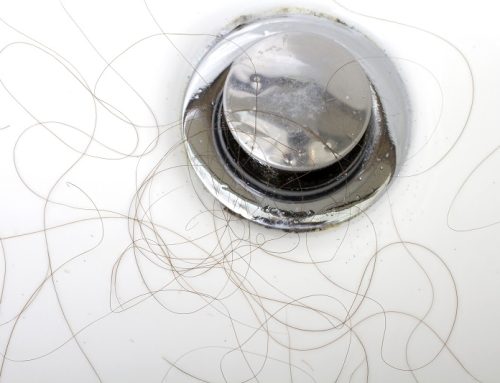
- Soap scum mixed with hair or debris.
- Mineral deposits in older plumbing systems
Chemical cleaners often treat only the top layer of buildup without fully clearing the obstruction. This means the same clog may return repeatedly, sometimes more stubborn than before. Our article on preventing clogs in the fall explains how seasonal habits contribute to drain problems and why surface-level treatments usually fail to address deeper blockages.
Another risk with DIY cleaners is chemical reaction. When different cleaning agents mix inside the drain, they may produce heat, toxic fumes, or corrosive damage. These reactions not only pose safety hazards but also weaken the interior of pipes, especially in older homes.
Chemical Risks and Hidden Dangers of Store-Bought Cleaners
One of the biggest concerns with DIY drain cleaners is the presence of powerful chemical compounds. These ingredients may dissolve organic matter, but they can also cause damage when misused.
Common hazards include:
- Corrosion of metal pipes
- Softening or weakening of PVC pipes
- Burns or skin irritation when handled incorrectly
- Respiratory issues from fumes in enclosed spaces
Many homeowners reach for chemical cleaners without understanding how the products interact with their plumbing materials. Older galvanized steel or cast iron pipes are especially vulnerable to corrosion. Over time, repeated use of chemical cleaners can wear down the internal walls of the pipe, making future clogs more frequent.
Chemical residue can also become trapped in the drain, creating risks for families, pets, or anyone attempting further DIY repairs. This becomes even more concerning during the winter months when windows remain closed, limiting ventilation. Our post on cold weather plumbing tips emphasizes how winter conditions can amplify plumbing issues, including drain buildup, pipe expansion, and pressure changes.
For these reasons, DIY drain cleaners may not only fail to fix the problem but also increase the chances of long-term plumbing damage.
Why Professional Drain Cleaning Delivers Safer and More Reliable Results
Professional drain cleaning focuses on removing clogs completely and restoring proper flow without damaging the plumbing system. Instead of relying on chemicals, professionals use equipment designed to break down buildup, remove blockages, and clean pipe walls thoroughly.
Advantages of professional drain cleaning include:
- Mechanical clearing of stubborn clogs using specialized tools
- Camera inspections that locate the source of the blockage
- Prevention of pipe damage by avoiding harsh chemicals
- Long-term solutions rather than temporary relief
Unlike chemical cleaners, mechanical methods create no risk of pipe corrosion or chemical burns. Professionals can clear hair, grease, tree roots, and mineral deposits using tools such as augers, hydro jetting systems, and precision cutting heads.
Additionally, professional service evaluates the entire plumbing line, identifying underlying issues such as pipe deterioration, recurring buildup, or structural damage. This approach ensures the problem is fully addressed instead of pushed further down the line.
DIY cleaners tend to mask symptoms rather than resolve the cause, which is why many homeowners experience recurring drainage issues even after multiple applications.
How Each Approach Affects Long-Term Plumbing Health
The long-term impact of drain cleaning methods should be a major consideration when deciding how to handle a clog. Chemical cleaners may seem convenient, but repeated use can create expensive problems down the road.
Long-term risks of DIY drain cleaners include:
- Gradual pipe erosion that requires major repair
- Increased frequency of clogs due to weakened interiors
- Potential leaks caused by corrosion
- Damage to septic systems or older plumbing materials
In contrast, professional drain cleaning helps preserve the plumbing system by removing buildup safely and efficiently. The process clears the entire pipe interior rather than burning away only part of the obstruction. This leads to improved water flow and fewer recurring problems.
Professional cleaning also helps protect against future complications. When buildup is removed correctly, drains stay cleaner longer, reducing the need for repeated treatments. Over time, this can save homeowners significant time, money, and stress.
Why Safety Should Guide Your Decision
When evaluating DIY versus professional methods, safety is one of the most important factors. Chemical cleaners pose risks not only to the plumbing system but also to the people handling them. Spills, fumes, splashes, and improper mixing can lead to injuries that require medical attention.
Professional services eliminate these risks by using safe, controlled tools and techniques. They also understand how to work with different pipe materials, older plumbing systems, and complex drainage networks without causing damage.
Homeowners may attempt DIY solutions for convenience, but when safety and long-term performance are considered, professional drain cleaning consistently proves to be the safer and more effective choice.
A Safer Path to Clear Drains Starts Here
If your drains are slow, clogged, or showing signs of deeper issues, reach out to New Flow Plumbing. We provide safe, thorough, and reliable professional drain cleaning that protects your plumbing and restores proper flow without the risks of chemical solutions.